
Choosing the right split air conditioning system is important for maintaining comfortable indoor temperatures in Dubai. Whether you are cooling a bedroom, apartment, villa, office or commercial space, the air conditioner should match the size and cooling requirements of the property.
Split AC systems are commonly considered for individual rooms because they use separate indoor and outdoor units and are available in different cooling capacities and configurations. However, selecting a suitable model requires more than checking the room size. Sunlight exposure, ceiling height, occupancy, insulation and equipment inside the room can also influence cooling demand.
This guide explains how split air conditioning works, what to consider for different properties and how to compare available models before purchasing from a split AC supplier or dealer in Dubai.
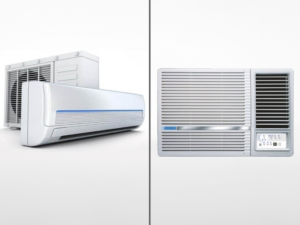
Split air conditioning is a cooling system that uses two main units: an indoor unit and an outdoor unit.
The indoor unit is installed inside the room and distributes cooled air. The outdoor unit contains key components, including the compressor and heat-exchange equipment, that support the cooling process.
The two units are connected through refrigerant piping and electrical connections installed according to the manufacturer’s requirements.
Indoor Unit
The indoor unit is generally mounted on a wall and distributes cooled air into the room. Depending on the model, it may include filters, airflow controls, operating modes and a remote control.
Outdoor Unit
The outdoor unit is installed outside the property in an appropriate location. It contains the compressor and other components needed to transfer heat from indoors to outdoors.
Refrigerant Connection
Refrigerant piping connects the indoor and outdoor units and allows heat transfer to take place as part of the cooling cycle.
Understanding these components can help buyers compare products and understand the requirements of a split air conditioning installation.
Dubai properties have different cooling requirements. A bedroom, large living room and commercial office do not necessarily need the same air conditioning capacity.
Split AC systems are available in a range of capacities, making it possible to select individual units for different rooms and spaces.
Some reasons buyers consider split air conditioning include:
The right system depends on the property layout, cooling load and intended usage.
Before choosing a model, consider how the space is used and how much cooling it requires.
Bedrooms often require comfortable and consistent cooling, particularly during sleeping hours.
When choosing a split air conditioner for a bedroom, consider:
For bedrooms where the AC operates for extended periods, compare inverter models and their energy-efficiency ratings. Also check the manufacturer’s stated noise levels if quiet operation is important.
Living rooms can have greater cooling requirements than smaller bedrooms because they may have larger floor areas, more occupants and additional heat from windows, lighting and electronic equipment.
When selecting a unit, consider the complete room layout rather than relying only on floor area.
A suitable cooling capacity and appropriate air distribution are important for maintaining comfortable temperatures throughout the space.
Apartments can have different layouts, room sizes and exposure to sunlight. Some rooms may receive direct afternoon sunlight, while others may have more shade.
If you are selecting split air conditioning for an apartment, assess each room separately.
Consider whether you need individual units for bedrooms, living areas or other enclosed spaces. Compare the required capacity and product specifications for each location.
Villas may include multiple bedrooms, large living areas and additional spaces with different cooling requirements.
A split AC arrangement can allow individual rooms to have their own cooling units. However, selecting the same capacity for every room is not always appropriate.
Consider:
For larger or more complex properties, a professional cooling-load assessment can help determine the appropriate system and capacity.
Office cooling requirements depend on the number of employees, computers, lighting, room layout and working hours.
A small office may have different requirements from a large open-plan workspace or several separate offices.
When comparing split air conditioning for offices, review the cooling capacity, energy-efficiency specifications, airflow and expected operating conditions.
Retail shops and other commercial spaces can experience additional heat from lighting, equipment, customers and frequent door openings.
The appropriate AC capacity depends on the space and its heat load. Before purchasing, consider the layout, operating hours and number of people who regularly occupy the area.
For larger commercial spaces, confirm whether individual split units are appropriate or whether another type of air conditioning system would better match the project requirements.
Cooling capacity is one of the most important factors when selecting a split air conditioner.
Common capacity options include:
| Capacity | General application |
|---|---|
| 1 ton | Smaller spaces, depending on cooling load |
| 1.5 tons | Suitable bedrooms and medium-sized rooms |
| 2 tons | Larger rooms or spaces with higher cooling demand |
| 2.5 tons | Larger areas requiring additional capacity |
| 3 tons | Large spaces with greater cooling requirements |
These are general examples, not fixed room-size recommendations. The actual capacity should be selected according to the property’s cooling load.
A room with large windows and direct sunlight may need a different capacity from a shaded room of the same size.
Before selecting a model, consider:
Choosing the right capacity helps the system meet the room’s cooling requirements without relying on an unsuitable unit.
Split AC systems are available with different compressor technologies. Two common options are inverter and non-inverter models.
An inverter AC adjusts compressor speed according to cooling demand. It can reduce compressor speed after the room reaches the desired temperature and continue operating to maintain conditions.
Potential advantages include more consistent temperature control and improved energy efficiency under suitable operating conditions.
A non-inverter AC generally operates its compressor at a fixed speed. The compressor switches on and off in response to the thermostat.
It may be suitable for buyers who prefer a lower initial purchase price or have a different usage pattern.
If the AC will operate for several hours each day, compare inverter models and their official energy-efficiency specifications. If you have more limited cooling requirements, compare non-inverter options as well.
The right choice depends on the specific model, purchase price, operating hours and room conditions.
Different split air conditioning models offer different features. Before purchasing, compare the specifications that are relevant to your property.
Review the official energy label and manufacturer’s efficiency information. Compare models with similar cooling capacities.
Make sure the model is suitable for the room’s cooling load. Do not select a unit based only on its advertised price.
If the unit is intended for a bedroom or quiet workspace, check the manufacturer’s indoor and outdoor noise specifications.
Review the available airflow settings and operating modes. These features vary between models.
Check the warranty duration, covered components, exclusions and claim process before purchasing.
Confirm the complete model number and technical details so you know exactly which product you are buying.
Split AC prices in Dubai vary depending on brand, capacity, inverter technology, energy efficiency, product features and warranty.
When comparing prices from different dealers, make sure you are comparing equivalent products.
Use the following checklist:
A lower initial price does not always mean better overall value. Consider the product’s suitability and specifications before making a purchase.
Once you understand the requirements of your property, the next step is to compare available products and purchasing options.
A split AC supplier in Dubai should be able to provide clear information about available models, cooling capacities, product specifications, pricing and warranty terms.
When comparing a supplier or split AC dealer, ask for:
This information helps you compare available split air conditioning products and choose a suitable model for your property.
You can explore available split AC models for different cooling requirements. For further purchasing information, visit our split AC supplier in Dubai page.
Split air conditioning can be a practical cooling option for bedrooms, apartments, villas, offices and selected commercial spaces. However, the right model depends on the property’s layout, cooling requirements and expected usage.
Before purchasing, compare cooling capacity, inverter technology, energy-efficiency information, product features, warranty and price. Choosing the correct model is more important than selecting an air conditioner based on brand name or advertised capacity alone.
If you are comparing split AC options in Dubai, review the available specifications and request clear product information from your chosen supplier or dealer before making a decision.
Split air conditioning is a cooling system that uses an indoor unit and a separate outdoor unit connected through refrigerant piping and electrical connections. The indoor unit distributes cooled air while the outdoor unit supports the heat-transfer process.
Yes. Split AC systems are commonly considered for individual apartment rooms. The correct model and capacity depend on the room size, sunlight exposure, ceiling height and cooling requirements.
The right unit depends on the bedroom’s cooling load. Consider room dimensions, window exposure, occupancy, indoor noise specifications and energy efficiency before choosing a model.
Yes. Split AC systems can be suitable for individual offices and selected workspaces. Consider the number of occupants, computers, lighting, operating hours and room dimensions when selecting capacity.
An inverter AC adjusts compressor speed according to cooling demand. A non-inverter AC generally uses a fixed-speed compressor that switches on and off as required by the thermostat.
Consider the room’s floor area, ceiling height, windows, sunlight, insulation, occupancy and heat-producing equipment. A cooling-load assessment provides a more reliable capacity recommendation.
Ask about available models, cooling capacities, complete model numbers, energy-efficiency specifications, warranty, pricing and product availability.
Compare their available products, product information, price quotations, warranty details and delivery arrangements. Confirm that the exact model you want is available before placing an order.